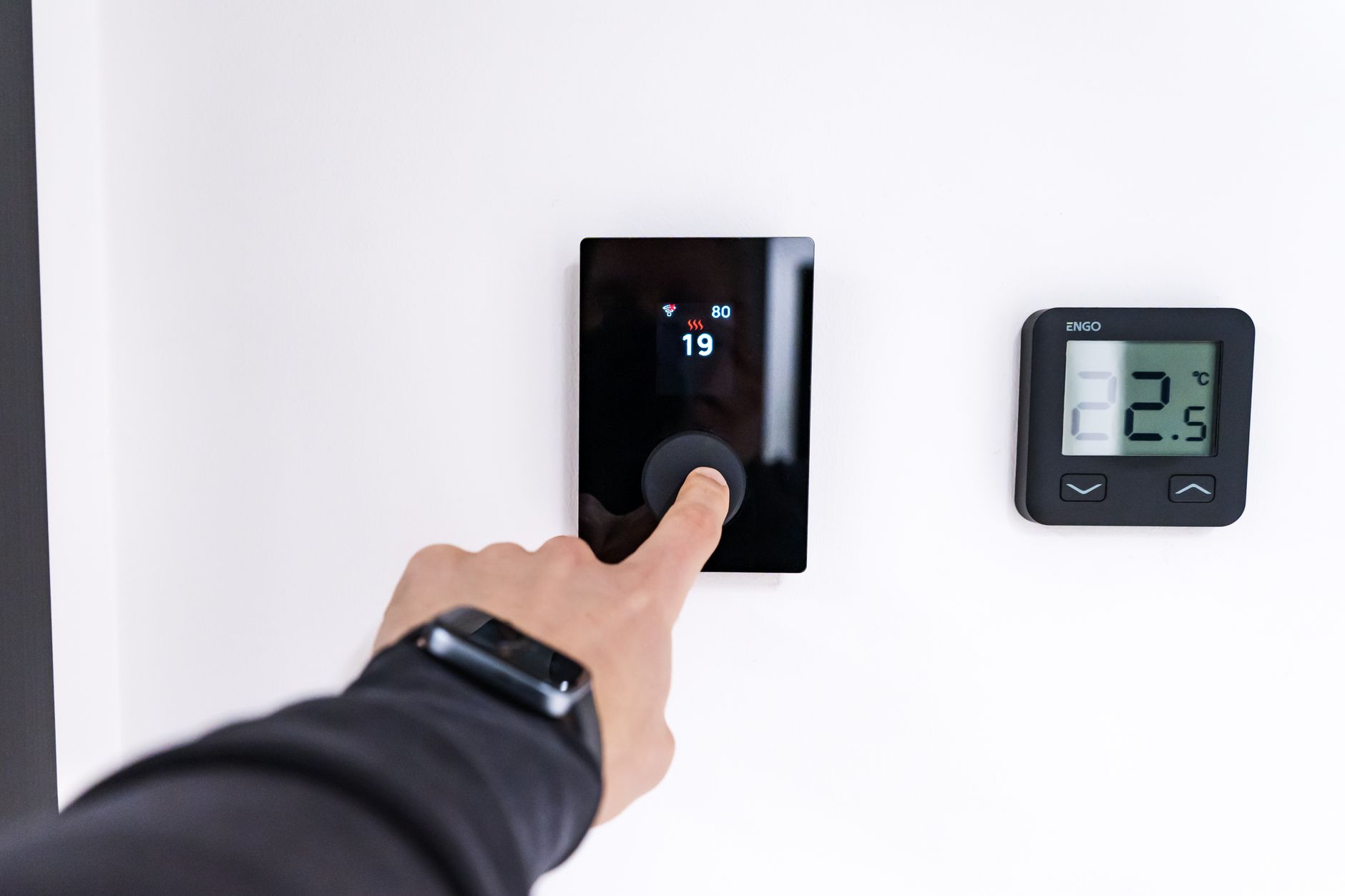
Royal Oak households heating with natural gas could see lower seasonal bills this winter, but regional forecasts do not guarantee savings for individual DTE Energy customers.
The U.S. Energy Information Administration’s 2026-27 Winter Fuels Outlook projects Midwest households heating with natural gas will spend about 10% less this season than last. Nationally, homes heated with natural gas can expect to pay an average of $640 over the five-month heating season, November through March, down 9%. The EIA assumes Midwest temperatures will be similar to last year.
Homes heated with electricity face a different picture. The EIA forecasts a 4% increase in winter electricity bills nationally, driven by a 3% rise in residential electricity prices. Midwest electric-heated homes face a projected seasonal cost of $1,380, up 3%.
“Relatively high natural gas inventories entering the winter season provide a cushion for heating demand, while households that rely on heating oil face higher prices because distillate markets remain tight,” EIA Administrator Tristan Abbey said, as reported by Quartz.
DTE keeps raising rates
The federal projections use retail prices that include delivery costs. They are regional averages, rather than forecasts for individual Michigan utilities or households. Actual bills depend on local rates, weather and usage.
The Michigan Public Service Commission approved a $74.5 million net rate hike for DTE natural gas customers, effective Oct. 1. That translates to an additional $2.87 per month for a typical residential customer using 75 hundred cubic feet monthly, according to the commission’s announcement. DTE Gas Co. announced on Sept. 10 that it intends to file yet another natural gas rate increase request in November, according to the attorney general’s office.
A separate DTE request filed in April seeks an additional $474.3 million to support electric grid and power generation investments. If approved, residential electric rates could rise about 10% beginning in March 2027, according to ClickOnDetroit. Oakland County Board Chair David Woodward, a Royal Oak Democrat, said in a news release that the county filed legal papers to oppose the request.
“A 10% rate increase is unaffordable for Oakland County’s working families,” Woodward said, as reported by ClickOnDetroit. “We will fight for lower rates and use every tool in our power to help our residents.”
Oakland County asked residents to submit old DTE bills to help document the financial impact of rising rates, ClickOnDetroit reported. Wayne and Macomb counties are also intervening in the case.
Michigan Attorney General Dana Nessel criticized DTE for the pace of its rate requests. The utility said the increases are necessary to improve reliability.
Michigan energy assistance options
Michigan runs several programs to help residents cover heating costs. Here are the main ones for the 2026-27 season, according to the commission’s assistance guide:
- State Emergency Relief: A crisis program for households facing disconnection, a shutoff notice or a declared need for delivered fuel. Income must be at or below 150% of federal poverty guidelines, with separate limits of $15,000 in cash assets and $15,000 in material assets. Apply online through MI Bridges or through a local Michigan Department of Health and Human Services office.
- Home Heating Credit: A tax credit administered by the Michigan Department of Treasury for the 2026 tax year. Customers of state-regulated utilities must notify their utility after filing to receive heating-service shutoff protection while the credit is processed. Bills remain payable, according to utility guidance. Forms are expected in mid-to-late January 2027, based on state guidance. Call Treasury at 517-636-4486 or visit its website.
- Michigan Energy Assistance Program: Administered by the commission, the program provides bill payment assistance and enrollment in affordable payment plans. Eligibility was expanded in 2024 legislation signed by Gov. Gretchen Whitmer. Income eligibility is at or below 60% of state median income. The four-person household limit is $71,871 for 2026-27, according to current utility guidance. Some public assistance recipients may be categorically eligible. Applicants must also receive electricity from a participating utility.
- Winter Protection Plan: Protects seniors 65 and older and low-income customers at or below 150% of federal poverty guidelines from shutoffs between Nov. 1 and March 31. Low-income participants must pay at least 7% of their estimated annual bill monthly and arrange repayment of existing arrears. The plan does not erase unpaid bills. Contact your utility to enroll. DTE says customers cannot apply for State Emergency Relief while enrolled in its Winter Protection Plan.
The commission approved the MEAP funding factor at $1.50 per electric meter for 2026-27, effective with September 2026 bills. The monthly charge applies to participating utilities and is limited to one meter per household. It is expected to raise approximately $90 million, enough to assist about 90,000 households, according to the commission’s April announcement. The expanded program could serve up to 150,000 households when fully implemented, up from about 50,000 in recent years, according to its February announcement.
Residents can also dial 2-1-1 to reach Michigan 211’s referral line for utility assistance and other services.